
How to Search Criminal Dockets
Begin with the official North Carolina eCourts Portal. Smart Search is the main route into a Wilkes County criminal docket. It opens the Case Summary. Some users know this as the Register of Actions. You can search by record number or by a name typed Last, First Middle Suffix. Use the number when you have it. With only a name, apply the advanced filters for location, party, case type, status, and filing date. The first similar name is not always the right person.
Smart Search answers the question of case history. For a current setting, use Portal Search Hearings. Then check the result against the Case Summary. The county also posts an official criminal calendar through the Judicial Branch. When a record or document is not online, turn next to the clerk terminal or paper file, the Clerk of Superior Court, or the court office handling the case.
- Open Portal and choose Smart Search for the Wilkes County criminal case.
- Enter the case number or the name in the Portal format, then use advanced filters if several results appear.
- Open the matching Case Summary and read the assignment, charges, Case Events, hearings, disposition, and financial information in context.
- Run Search Hearings or check the official criminal calendar when confirming a current court date.
- Ask the Wilkes Clerk for a file check or certified copy when the public Portal view is not enough.
Wilkes County Criminal Docket Case Codes
Enterprise Justice builds each case number from a two-digit year, a letter case type, a six-digit sequence, and a county identifier. The statewide example 21CR000003-910 shows the format. It is not a Wilkes record. In a criminal lookup, CR tells you the case holds at least one criminal offense, nothing more. It does not prove a felony. Read the charge, the assignment, and the Case Events for the court-path detail those two letters cannot carry.
- CR
- A case-number label meaning the case includes at least one criminal offense.
- IF
- A case-number label for a case containing only infractions.
- Case Events
- The dated entries that form the Portal timeline for filings, hearings, orders, and other activity.
Wilkes County runs CR cases and every other state court case type through the same unified Portal path. One defendant can hold several case numbers. Open the matching Case Summary. Do not guess a charge list from a prefix.
Note: A CR label marks a criminal offense in the case. It says nothing about the offense level or the final result.
What a Criminal Docket Shows
Think of a Wilkes County criminal Case Summary as a dated log, not a forecast. It opens with case and assignment information. The log then lists parties, charges, Case Events, hearings, dispositions, and any financial information. A single timeline might hold a bond event, a first appearance, a hearing notice, an order, a plea, or a judgment. One caution applies to documents. An event can appear on the public docket. Its underlying document may stay restricted or unavailable online.
| Case number | The Enterprise Justice identifier, such as the official-format example 21CR000003-910. |
|---|---|
| Assignment information | The available court or location information that helps show where the Wilkes matter is proceeding. |
| Charges and case information | The available classification and charge-related information for the criminal case. |
| Case Events and hearings | Dated activity and current or prior settings, read together rather than as a single isolated date. |
| Disposition and financial area | Available result or financial reference information, which is not a certified record or payoff statement. |
The Portal search resources explain the Case Summary fields and the limits on public access. A result works well for following a Wilkes County criminal docket day to day. When you need a court-authenticated copy, ask the clerk for a certificate instead.
Wilkes County Criminal Calendar Searches
The Wilkes County criminal calendar tools overlap, but each has its own job. Smart Search puts a hearing inside one case's history. Search Hearings scans current calendars by case number, party, business, attorney, judicial officer, or courtroom. The county criminal-calendar endpoint is a separate official scheduling channel. Neither listing answers every last-minute question. Portal guidance notes one limit. Search Hearings will not tell you whether a hearing is virtual or in person. The calling order can differ by court or by judge.
| Tool | Best use | Wilkes limitation |
|---|---|---|
| Smart Search | Read the case history and Case Events. | It is not limited to the next setting. |
| Search Hearings | Locate a current date, time, location, or courtroom setting. | It does not label virtual versus in-person status. |
| Criminal calendar | Check the county’s published criminal scheduling channel. | Use a normal browser or clerk confirmation if access or current status is unclear. |
This Wilkes County criminal docket image shows the Judicial Branch criminal-case overview, the statewide page that explains how criminal cases move through the courts.
That statewide source makes one point worth keeping: read a calendar date alongside the stage of the case. A date alone is not a final outcome.
Note: The hearing search locates a setting. Local court staff confirm the practical call-list details.
Stages on a Criminal Docket
Criminal dockets do not follow one fixed script. The order of steps varies with the charge and the court path. The official vocabulary starts at charge or arrest. It runs through bond, first appearance, a probable-cause hearing for a felony matter, possible indictment, plea, trial, sentencing, and appeal. Read a Wilkes County Case Summary by its dated entries. A stage appearing in the general process does not mean every case took that step.
Docket flow: Filing → Arraignment → Pretrial → Plea or Trial → Disposition → Sentencing
For a current date, skip past the earlier setting and read the later hearing and continuance entries. A court-approved continuance shifts the active schedule. It never erases the historical entry from the Register of Actions.
Wilkes County Criminal Court Path
Wilkes County sits in District 34 for both Superior Court and District Court. District Court handles most misdemeanors and infractions. Felonies often start there for pretrial matters, and some less-serious felony pleas wrap up in that court as well. The more serious felony resolutions and every felony trial belong to Superior Court. One clerk serves both levels. The Portal is unified too. So follow the actual assignment and Case Events. Do not assume a felony has only one court-level history.
| Wilkes court level | Criminal docket role | Search implication |
|---|---|---|
| District Court | Misdemeanors, infractions, traffic, and preliminary felony matters. | Look for early criminal events and current District Court settings. |
| Superior Court | Felony trials, more serious felony resolutions, and District Court criminal appeals. | Check later assignment and hearing entries for the Superior Court path. |
This Wilkes County criminal docket image shows the official District Court jurisdiction page, which sets out what that court hears.
A felony in Wilkes County often starts its docket life in District Court. Probable cause gets weighed there first. The case then moves up, and Superior Court handles the trial stage. The Superior Court overview explains that division's role in the state system.
So a Wilkes County criminal docket can show early entries from one court and later ones from another. The Portal record for the case shows the actual assignment. Check both trial levels before assuming the first court listed is where the case stays.
Which Court Holds Criminal Dockets
One office in Wilkes County holds criminal dockets for both trial divisions. That office is the Clerk of Superior Court. There is no separate felony clerk. There is no county criminal clerk, municipal criminal docket, or justice-of-the-peace criminal docket. The clerk keeps the local files, dockets, indexes, and certified-copy functions for the state trial system. District Court, Superior Court, and the magistrates all sit in the same courthouse-centered path. Court level, not office, drives how the case progresses.
Wilkes Clerk of Superior Court
Case files, public terminal access, paper-file inspection, and certified copies.
(336) 651-4400
Superior Court Judicial Office
Setting confirmation for the Superior Court side of a Wilkes criminal matter.
(336) 651-4416
District Court Judicial Office
Setting confirmation for District Court criminal, misdemeanor, and infraction matters.
(336) 651-4412
Magistrates can be reached at (336) 651-4419. Confirm any court setting with the office that holds it, while the clerk remains the local record custodian.
Wilkes County Criminal Docket Contacts
Skip the statewide switchboard guesswork and use the court directory's functional lines. Start with Portal and the criminal calendar. Then call the Clerk of Superior Court for local file access or certified-copy questions. A setting may need direct confirmation. If so, contact the Superior or District Court judicial office that matches the assignment. The District Attorney is listed separately at (336) 651-4410. That prosecution office cannot substitute for the clerk's docket and records function. A July 2025 District 34 court-administration announcement covers recent judicial appointments in the district.
That announcement gives District 34 context, but for live office contacts use the current official Wilkes contact directory, which lists each office directly.
Wilkes County Criminal Docket Paper Files
Portal is the online route for Wilkes County cases. Yet it does not show every older or restricted document. Wilkes entered eCourts Track 9 on July 21, 2025. Paper documents already in the clerk's office at conversion stayed there. When a Case Summary lists an event but no public image, the courthouse terminal and file counter are the next step. That access stays subject to any restriction on the record. Public self-service terminals at clerk offices can search criminal information. Lookups run by defendant name, case number, victim, or witness. The clerk provides copies for a fee and can certify eligible records. A missing Portal image does not mean a Wilkes County criminal file is gone. Registration grants no elevated access to sealed or confidential material. Note: Bring the case number when possible. Then the clerk can tell a Case Summary lookup from a specific document request.
Public Access and Sealed Criminal Dockets
Wilkes County criminal information can be searched anonymously in Portal. G.S. 7A-109 requires clerks to maintain records, dockets, and indexes open to inspection unless law prohibits access. The limits still matter. An unreturned warrant, juvenile material, a sealed or expunged matter, protected-order information, and protected identifiers may be absent. They may also be incomplete in a public search. A blank public result is not proof that no courthouse file exists. Nor is it grounds to expect access through a routine request.
Key Rules:
G.S. 7A-109 makes the clerk responsible for court records and sets the general inspection and indexing framework.
G.S. 7B-3000 limits public inspection of juvenile clerk files.
G.S. 15A-151 provides confidential treatment for expunction records held by the clerk.
A certified copy is not the same as a Portal view. Ask the Wilkes Clerk which copy or certificate is available and what access rule applies to that criminal record.
Wilkes County Criminal Docket Terms
Trust the Portal's full labels before you lean on shorthand. Wilkes County publishes no local glossary of Case Event codes. So treat any abbreviation you see with care. Common court terms still help you read a Case Summary. A pending or pretrial status means the case is still moving. "Hearing scheduled" marks a setting on the court calendar. "Disposed" or "judgment" marks a recorded result. A bond event deals with release conditions, not a final outcome.
- Called and failed
- A traffic or criminal calendar outcome indicating that a person did not appear when the case was called.
- FTA
- Failure to appear, a traffic and criminal service term that can lead to court and DMV consequences under the case-specific process.
- PJC
- Prayer for Judgment Continued, a traffic-case option a judge may grant; court costs still apply and effects can vary.
These traffic-related terms do not make every Wilkes County criminal docket carry the same consequence. Read the current Case Events. Contact the relevant court office or clerk when an active setting or compliance issue is involved.
Wilkes County Criminal Docket Appeals
A misdemeanor or infraction conviction can be appealed. It can move from District Court to Superior Court for a trial de novo. That means a brand-new trial, not a review of the earlier District Court record. This is why one search shows so much. A unified Wilkes County criminal docket search can display both District and Superior Court stages in a single case. Later appellate review plays a different, statewide role. For the local path, the case's assignment and events remain the reliable guide. The North Carolina Court of Appeals overview describes that statewide appellate division.
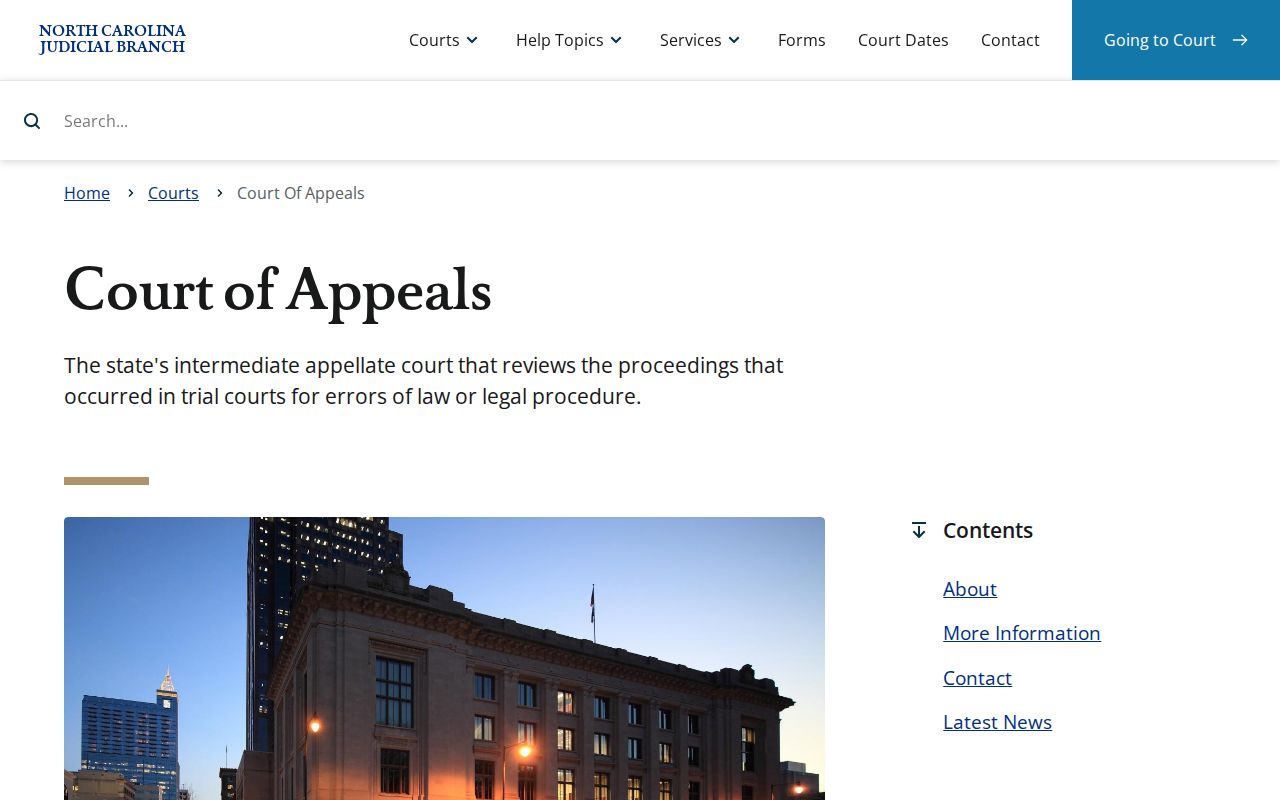
The Court of Appeals stands apart from the Wilkes Superior Court trial de novo that follows a District Court criminal appeal. For the state's highest court, the North Carolina Supreme Court overview explains its role.
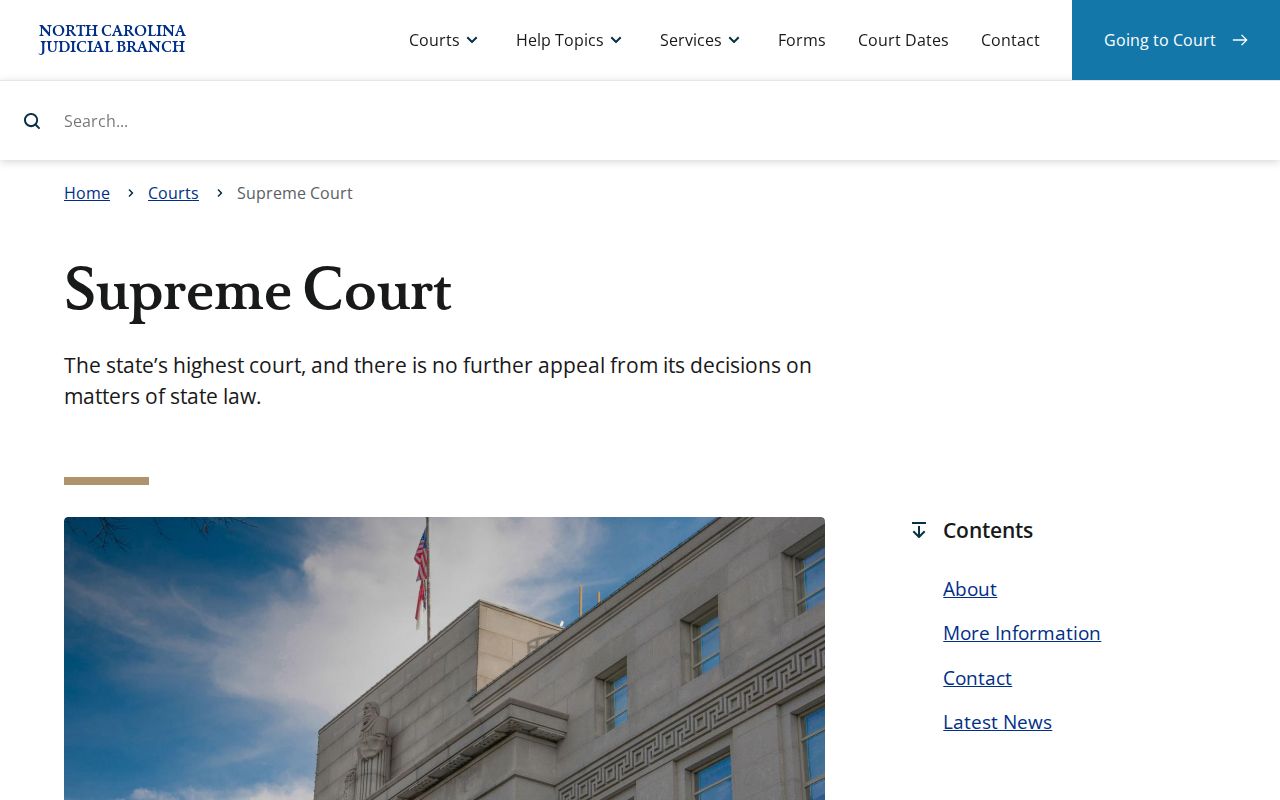
Whatever the statewide hierarchy, verify the actual Wilkes case stage through Portal and the clerk. Note: A trial de novo is a new Superior Court trial after a District Court criminal appeal, not a review-only docket step.
Wilkes County Criminal Setting Checks
Confirming a Wilkes County criminal setting takes three quick steps. Pull the Case Summary first. It holds the case history. Then run a Search Hearings check for the current time and courtroom. After that, look at the county's official criminal-calendar channel. That channel posts the published schedule. One more call settles what the docket alone cannot tell you. Ask the courtroom clerk, the Superior Court judicial office, the District Court judicial office, or the Clerk of Superior Court. Ask whether a hearing is virtual, in person, or still on the call list. Portal may not say. That chain keeps you from treating an old setting as a live one. Continuances, court orders, weather closures, and docket-management decisions can all move a hearing. That can happen after an earlier event shows in the court record. The local office holding the current calendar can confirm the practical status. A historical docket entry is never a promise. It cannot tell you what happens next.